Synthetic Roof Installation by ARCM Roofing
Engineered polymer slate, shake, and tile — the looks nature perfected, rebuilt in materials hail and fire can't beat.
5 Highlights on Synthetic Roofing
Nature's Looks. Engineering's Rules.
The engineered alternative across the installation lineup — slate, shake, and tile profiles in polymers rated Class 4 for hail and Class A for fire.
Class 4 Impact Resistance
Composite tiles absorb hail strikes that crack natural slate and split cedar shake — insurer-recognized in hail country.
Class A Fire Ratings
Most synthetic products carry the highest fire classification — a clean answer for WUI addresses where wood is restricted.
One Quarter the Weight of Stone
Polymer slate loads your framing at a fraction of quarried slate — no structural reinforcement, full slate profile.
50-Year Limited Warranties
Leading composite manufacturers back their products for half a century, and many warranties transfer at resale.
Molded From the Real Thing
Cast from actual slate faces and hand-split shakes, composites replicate the depth and shadow lines of natural materials without the maintenance.
Slate profile, shake texture — minus every natural failure mode.
Why Choose Us
Manufacturer-Trained on Every System
Our crews are manufacturer-trained on DaVinci Roofscapes, Brava Roof Tile, and CeDUR systems, keeping your warranty coverage fully intact — composite nailing patterns and exposure specs differ from natural materials, and the training shows at the ridge line.
Project managers inspect the deck before a single tile goes down: decking checked for rot, ventilation verified to code, fascia and drip edge confirmed. Then ice and water shield at eaves and valleys, synthetic underlayment across the field, and new metal at every chimney, skylight, and sidewall.
Landscaping protected with tarps and plywood, magnetic sweeps before we leave, itemized estimates with no vague allowances — backed by our 10-year workmanship warranty alongside 50-year manufacturer coverage.
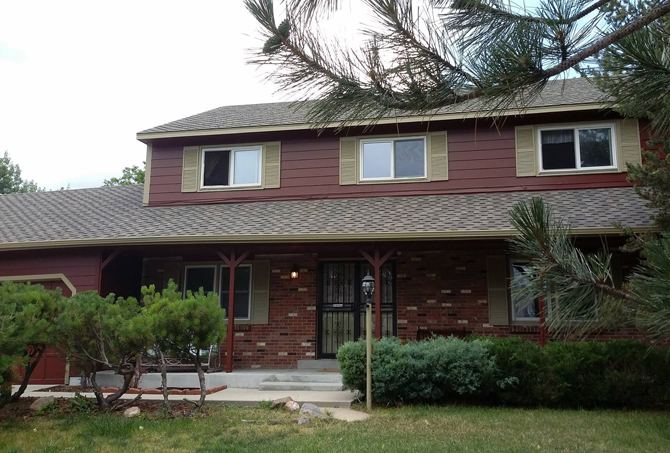
Colors matched to your exterior with physical samples — and HOA architectural submittals handled where they apply.
When It Makes Sense
Signs Synthetic Is the Right Answer
You Want Slate Looks Without Slate Engineering
Natural slate demands 800-to-1,500-pound-per-square framing. Polymer slate delivers the profile at one quarter the weight — no reinforcement project, no structural math, same curb presence.
You Want Shake Looks Where Wood Is Restricted
Some WUI jurisdictions restrict wood roofing entirely. Class A composite shake gives foothill homes the texture their architecture calls for with a fire rating no treated cedar matches.
Repeated Hail Claims on Asphalt
Two or more hail claims mean you're financing your insurer's least favorite roof. Class 4 composites absorb strikes that bruise fiberglass mats — and many carriers discount premiums accordingly.
Your Slate or Shake Is Failing
Spalling slate past 20 percent coverage, or cupped and split shakes, put replacement on the table. Composites recreate the original look while ending the material's failure mode entirely.
Heavy Tile on a Tired Structure
When rafters deflect under 900-pound-per-square concrete tile, lightweight synthetic tile removes the strain without surrendering the Mediterranean profile.
Slate looks without slate weight? See the composite samples.
How We Work
Our Synthetic Installation Process
01
Inspection and Measurement
A qualified estimator inspects the roof, measures every plane with satellite-verified reports, and photographs problem areas.
02
Material Selection
Composite slate, shake, and tile samples reviewed at your home, colors matched to your exterior, HOA requirements confirmed where they apply.
03
Tear-Off and Deck Repair
Old roofing stripped to bare decking, rotted sheathing replaced, deck renailed to current code — no overlays, ever.
04
Underlayment and Flashing
Ice and water shield at eaves, valleys, and penetrations; high-temperature synthetic underlayment across the deck; new drip edge, step flashing, and valley metal.
05
Tile Installation
Courses installed eave to ridge per manufacturer nailing patterns and exposure specs, ridge caps and hip tiles finishing the system.
06
Cleanup and Final Walkthrough
Debris hauled, nails swept, property walked with you — warranty registration and photo documentation within one week.
Warranty registration and photo documentation delivered within one week of completion.
Brands We Use
Composite Systems We Install
DaVinci Roofscapes
Composite slate and shake
Brava Roof Tile
Synthetic Spanish tile, slate, and cedar shake
CeDUR
Polymer shake with Class A fire rating
F-Wave
REVIA synthetic shingles with Class 4 impact resistance
EcoStar
Recycled rubber and plastic slate tiles
Euroshield
Rubber roofing made from recycled tires
Enviroshake
Engineered composite shake
InSpire Roofing
Polymer slate in over 40 color blends
GAF
Synthetic underlayment and ice and water shield
CertainTeed
DiamondDeck underlayment and accessories
OSHA fall protection with rated harnesses and anchors on every steep slope, daily ladder and equipment inspections, and a site supervisor enforcing protocols from setup to cleanup.
FAQs
FAQs About Synthetic Roofing
›What is synthetic roof installation?
Synthetic roof installation is the process of installing engineered polymer or rubber tiles that replicate slate, cedar shake, or clay tile. Crews tear off the old roof, prepare the deck, and install the composite system with new underlayment and flashing.
›How long does a synthetic roof last?
Most composite roofing systems last 40 to 50 years. Manufacturers like DaVinci Roofscapes and Brava back their products with 50-year limited warranties, and many transfer to new homeowners.
›When is the best time to install a synthetic roof?
Spring through fall offers ideal conditions, though our crews install composite roofing year-round. Polymer tiles stay flexible in cold weather better than asphalt shingles do.
›Why does synthetic roofing cost more than asphalt?
Composite tiles cost more upfront because the materials last two to three times longer, resist hail, and carry Class A fire ratings. Insurance discounts and avoided replacements offset the difference over time.
›Can synthetic tiles go over my existing roof?
No. Proper installation requires a full tear-off so crews can inspect the deck, repair damage, and waterproof the surface before tiles go down. Overlays void most manufacturer warranties.
›Does a synthetic roof add home value?
Yes. Appraisers and buyers recognize the extended lifespan, and the authentic slate or shake appearance raises curb appeal. Many homeowners recover a significant share of the cost at resale.
Related Services
Looks Natural. Performs Engineered.
Class 4 hail · Class A fire · 1/4 the weight of stone