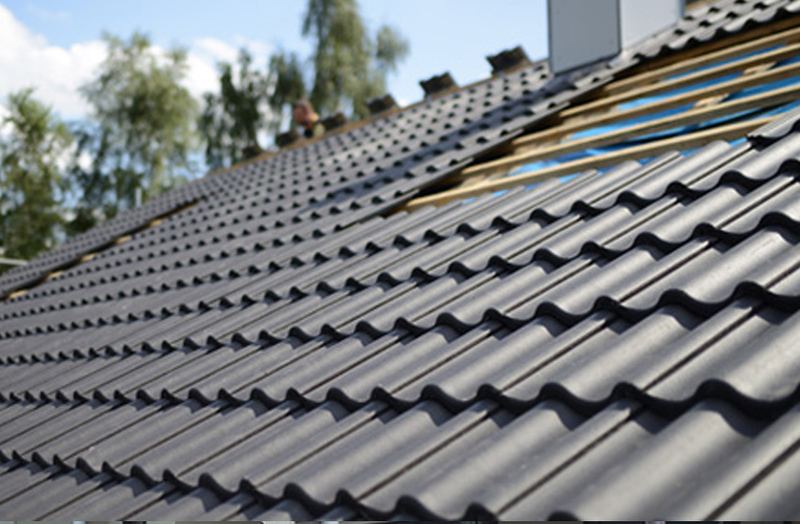
Clay Tile Roof Installation by ARCM Roofing
Kiln-fired permanence — barrel, S-profile, and flat clay tiles engineered to protect your home for 75 to 100 years.
5 Highlights on Clay Tile Installation
Fired Once. Beautiful for a Century.
The premium tier of tile roofing — authentic kiln-fired clay with color that can't fade, installed over engineering, not assumptions.
75-100 Year Lifespan
Kiln-fired clay outlasts virtually every other residential roofing material — install once, never think about it again.
Structural Engineering Included
At 800 to 1,100 pounds per square, clay demands verified framing. We run the load calculations and reinforce rafters before the first pallet arrives.
Barrel, S-Profile, and Flat Tiles
Mission barrel, Spanish S, and modern flat profiles in natural terracotta through custom glazed colors.
Double-Layer Valley Protection
Hips and valleys get doubled self-adhering underlayment — the detail that separates a 40-year underlayment from a 25-year one.
Color That Never Fades
Clay's color is fired into the material, not coated on. UV exposure that bleaches asphalt in a decade leaves kiln-fired terracotta unchanged.
The terracotta on century-old buildings still looks new. That's the material.
Why Choose Us
Engineering First, Terracotta Second
Clay punishes improvisation. Our installers train to Tile Roofing Institute installation standards — correct headlap for your pitch, fastening schedules for your wind zone, and the batten details that let a clay roof breathe and drain for a century.
We treat the underlayment as the real roof: high-temperature self-adhering membranes, doubled at hips and valleys, because on a 100-year tile system the membrane is the component that determines when anyone touches the roof again.
Foam walk pads and overlap-stepping on every access, replacement tiles stocked from the lines we install, and a 10-year workmanship warranty alongside the manufacturer's 75-year-to-lifetime material coverage.
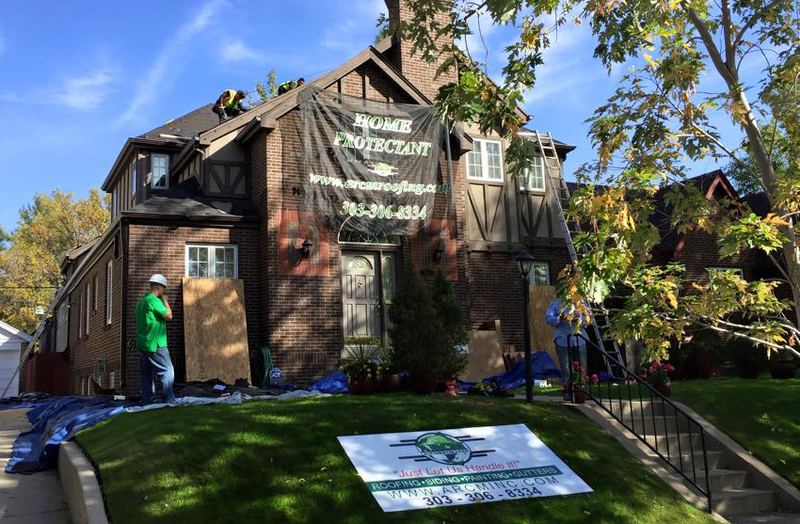
Existing tile roof leaking? Often the tile survives and only the underlayment needs renewal — we diagnose before we quote.
When It Makes Sense
Signs Clay Tile Is the Right Choice
You Want a Roof You'll Never Replace
Clay's economics are generational. Homeowners who plan to stay — or pass the home down — install one roof while asphalt owners buy four or five. The underlayment renewal at year 30-40 costs a fraction of any replacement.
Spanish, Mediterranean, or Mission Architecture
Barrel tile completes these styles the way no other material can. Painted metal imitations read differently at the curb, and appraisers know the difference on authentic clay installations.
Colorado Sun Exposure
High-altitude UV destroys asphalt binders and fades coatings. Kiln-fired clay is chemically inert under sunlight — the terracotta on century-old buildings looks the way it did at installation.
Wildfire-Zone Protection
Clay tile is noncombustible with a Class A fire rating. Along the wildland-urban interface, an ember-immune roof is a first line of defense insurance carriers increasingly recognize.
Your Current Tile Roof Was Installed Poorly
Slipping tiles, cracked courses from foot traffic, and chronic leaks usually trace to bad batten layouts or wrong fasteners, not the tile itself. We diagnose whether your existing tile can be re-laid over new underlayment — often saving most of the material.
Building for generations? Start with the load calculation.
How We Work
Our Clay Tile Installation Process
01
Structural Assessment
We measure rafters and spans, run load calculations, and scope any reinforcement your framing needs to carry clay safely.
02
Tile Selection
You choose profile, color, and finish from physical samples — natural terracotta, sandblasted, or glazed.
03
Tear-Off and Reinforcement
Crews strip existing roofing, complete any framing reinforcement, and repair sheathing to a sound, clean deck.
04
Premium Underlayment
We install self-adhering high-temperature underlayment across the deck, doubled at hips and valleys, with batten grids set to the tile's course layout.
05
Tile Setting and Flashing
Installers lay each course to precise headlap, fasten per the profile's schedule, and flash penetrations, sidewalls, and valleys with matching metal.
06
Ridge and Hip Detailing
Ridge and hip tiles set in mortar or mechanical fastening systems, with weep paths preserved for drainage.
07
Final Inspection
A project manager checks every course, photographs the finished roof, and registers your manufacturer warranty.
One to three weeks from tear-off to warranty registration.
Brands We Use
Clay From Kilns With Histories
Ludowici
Architectural clay tile fired in Ohio since 1888
Boral / Westlake Royal Clay
Barrel and S-profiles
Santafé Tile
Colombian clay barrel tiles
MCA Clay Roof Tile
California-made mission and S-tiles
Gladding McBean
Historic terracotta profiles
Redland Clay Tile
Two-piece mission systems
Grace
Ice & Water Shield HT underlayment
Polyglass
Self-adhering tile underlayment
Boral TileSeal
High-temperature membranes
Quikrete
Ridge and hip mortar systems
Pallets staged to distribute load evenly, foam walk pads for all roof access, and OSHA fall protection on every pitch — clay rewards patience and punishes shortcuts.
FAQs
FAQs About Clay Tile Installation
›What is clay tile roof installation?
Clay tile roof installation is the process of fastening kiln-fired clay tiles over a reinforced deck and premium underlayment. Courses overlap to channel water while battens and fasteners anchor each tile against wind.
›How long does clay tile roof installation take?
Most residential projects take one to three weeks depending on roof size, pitch, and detail work. Structural reinforcement adds a few days up front when engineering requires it.
›How long does a clay tile roof last?
Properly installed clay tile lasts 75 to 100 years or more. The underlayment typically needs renewal around year 30 to 40, which costs far less than full roof replacement.
›Why is structural evaluation required?
Clay tile weighs 800 to 1,100 pounds per square, several times more than asphalt shingles. We verify your rafters and trusses can carry that load safely before installation, and reinforce framing when they can't.
›Can you walk on a clay tile roof?
Only with proper technique. Clay tiles crack under concentrated weight, so our crews use foam walk pads and step at tile overlaps. We handle all maintenance that requires roof access.
›Does hail break clay tile?
Severe hail can crack individual tiles, but damage stays localized. We stock replacement tiles from major manufacturers and repair affected sections without disturbing the surrounding field.
›How much does clay tile roof installation cost?
Clay tile is a premium investment, typically several times the cost of asphalt. Spread over its 75-to-100-year lifespan, the cost per year often beats asphalt. We provide free detailed estimates.
Related Services
Terracotta That Outlives Us All.
75-100 year systems · Engineering included · Fired-in color