Free · No Obligation
Insurance Claim Documentation by ARCM Roofing
Accurate, insurer-ready roof damage documentation that helps your claim reflect every item your policy covers.
5 Highlights on Insurance Claim Documentation
Evidence Carriers Can't Dismiss
Documentation is the foundation of every successful roof damage claim, and we build that foundation with precision — photographed, measured, and recorded the way adjusters need to see it.
Xactimate Estimates Prepared In-House
We write line-item scopes in the same software insurance carriers use, so adjusters can compare our numbers directly against their own.
Aerial Roof Measurements
EagleView and HOVER reports with precise squares, pitch calculations, and waste factors documented to the decimal.
Time-Stamped Photo Reports
Every hail strike, wind crease, and lifted shingle gets cataloged through CompanyCam with GPS coordinates and dates.
Storm Date Verification
We pull NOAA weather data and hail swath maps to tie your roof damage to a specific, verifiable weather event.
Adjuster Meeting Representation
A qualified ARCM Roofing inspector walks the roof with your carrier's adjuster and points out every documented damage item, slope by slope.
Professional documentation means faster approvals and fewer supplement disputes.
Why Choose Us
We Work for You — and Document What's Actually There
Our documentation is prepared by HAAG-certified inspectors who know exactly what carriers look for before approving a roof replacement. HAAG credentials prove we identify hail and wind damage using the same standards adjusters follow, and our Xactimate proficiency means our estimates speak the carrier's language with current regional pricing.
Every report includes slope diagrams, test square results, and collateral damage evidence covering gutters, downspouts, window screens, and soft metals. If your carrier requests supplemental documentation, we respond within 48 hours at no added cost.
When an adjuster's scope misses damage, our reports give you the evidence to request re-evaluation. We've helped clients document full replacement scopes on roofs their carriers initially denied — with thorough, honest evidence rather than pressure tactics. And to be clear about roles: we're your contractor, not a public adjuster.
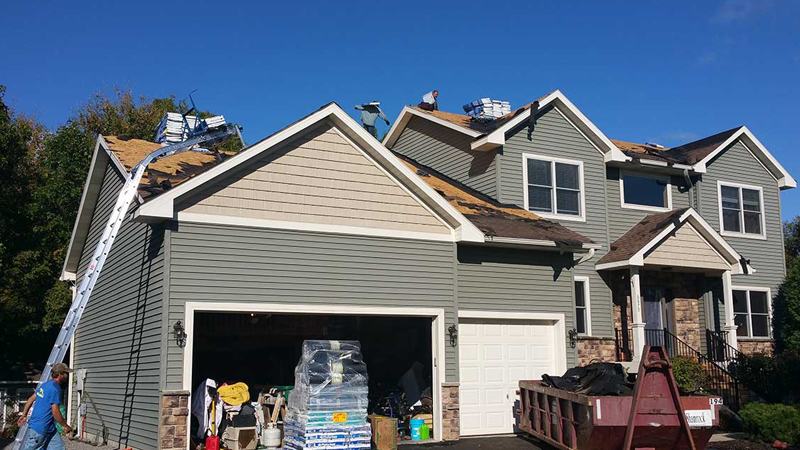
FLIR thermal imaging finds hidden moisture; ITEL analysis matches discontinued shingles; you never need to climb a ladder.
When You Need It
Signs You Need Professional Documentation
Hail Struck Your Neighborhood
Hail bruises asphalt shingles, fractures the fiberglass mat, and knocks granules loose. Damage this subtle rarely shows from the ground. Our inspectors chalk test squares, count strikes per square, and photograph each impact so your adjuster can't dismiss the damage as blistering or foot traffic.
High Winds Lifted or Creased Shingles
Wind damage breaks the sealant strip bond even when shingles stay in place. Creased tabs, exposed nail heads, and torn ridge caps all qualify as functional damage under most policies. We document wind uplift patterns across every slope and record the storm's recorded gust speeds.
Your Carrier Denied or Underpaid
A lowball scope often omits code-required items like ice and water shield, drip edge, or proper ventilation. Our line-item documentation identifies every omission and supports your supplement or re-inspection request.
A Tree Limb Punctured Your Deck
Impact damage extends beyond the visible hole. We document fractured decking, torn underlayment, and interior water staining so the full repair scope gets approved, not just the puncture.
Interior Leaks After a Storm
Water stains on ceilings, damp attic insulation, and rusted fasteners point to storm-created openings. We trace the leak to its source, photograph the water path, and connect the interior damage to the exterior cause your policy covers.
Fresh damage is strong evidence. Document it now — before weather degrades it.
How We Work
Our Documentation Process
Six steps from inspection to approval — then we close the loop with the restoration itself.
01
Free Roof Inspection
A HAAG-certified inspector examines every slope, penetration, and flashing detail. We check gutters, siding, fascia, and soft metals for collateral damage that corroborates the storm event.
02
Damage Cataloging
We photograph each damage point through CompanyCam, chalk-mark hail strikes inside test squares, and record measurements with EagleView aerial reports.
03
Storm Verification
We pull NOAA records and hail swath data to confirm the date, size, and path of the storm that hit your property.
04
Estimate Preparation
Our team writes a complete Xactimate scope covering tear-off, underlayment, shingles, flashing, ventilation, and local code requirements.
05
Adjuster Meeting
We schedule and attend your carrier's inspection, walk the roof with the adjuster, and present our documentation item by item.
06
Supplement and Approval Support
If the carrier's scope falls short, we submit supplemental documentation within 48 hours and track your claim through final approval.
Our Toolkit
Professional-Grade Documentation Tools
Xactimate
Carrier-standard estimates
EagleView
Aerial roof measurement reports
HOVER
3D property models and measurements
CompanyCam
GPS-tagged, time-stamped photo documentation
DJI
Drones for safe, detailed aerial roof imaging
FLIR
Thermal cameras for detecting hidden moisture intrusion
ITEL
Shingle matching and material analysis
CoreLogic
Weather verification and hail data
GAF
Documentation standards for shingle damage assessment
Owens Corning
Technical bulletins for functional damage criteria
Safety guides every inspection: OSHA-compliant fall protection on steep slopes, and DJI drones wherever walking a roof creates risk. You never need to climb a ladder or step onto damaged decking — we handle the dangerous work so you can review the evidence from the ground.
FAQs
FAQs About Insurance Claim Documentation
›What is insurance claim documentation?
Insurance claim documentation is the organized collection of photos, measurements, estimates, and weather data that proves your roof sustained covered storm damage. Carriers require this evidence before they approve repairs or replacement.
›When should I document roof damage?
Right after the storm passes and conditions turn safe. Most policies set filing deadlines of one to two years, and fresh damage photographs stronger evidence than weathered damage. Early documentation also prevents carriers from blaming deterioration on neglect.
›Why can't I just send my own photos to the insurance company?
Ground-level phone photos miss the functional damage adjusters need to see. Hail bruises, fractured mats, and broken sealant bonds require close-up, slope-by-slope documentation with test squares and measurements. Professional reports carry credibility that homeowner snapshots don't.
›How does the documentation process work with my adjuster?
We share our complete report with your carrier and attend the adjuster's inspection in person. Our inspector walks each slope with the adjuster and points to every cataloged damage item, which keeps the carrier's scope honest and complete.
›Can documentation help a denied claim?
Yes. Many denials stem from incomplete evidence, not ineligible damage. Our reports support re-inspections, appraisals, and supplements. We've reversed denials by presenting test square data and storm verification the original inspection lacked.
›Does insurance claim documentation cost me anything?
Our inspection and initial documentation come free with no obligation. You get expert evidence, a clear damage assessment, and honest guidance on whether filing a claim makes sense for your roof.
Related Services
Evidence Wins Claims. Let's Build Yours.
Free documentation · 48-hour supplement response · Xactimate-fluent