Free After Qualifying Storms
Storm Damage Assessment by ARCM Roofing
Expert assessment that documents every impact point, protects your insurance claim, and gets your roof repaired right.
5 Highlights on Storm Damage Assessment
Facts, Not Guesses
Assessment is the first step toward restoring your roof after hail, wind, or fallen debris. Our certified inspectors assess asphalt shingle, metal, tile, and flat roofing systems — and catch what untrained eyes miss.
Complete Roof System Evaluation
Shingles, flashing, ridge vents, gutters, fascia, and soffits — examined after every severe weather event.
Detailed Photo Documentation
Drone imagery and close-up shots that support your homeowners insurance claim from start to finish.
Hail Impact Analysis
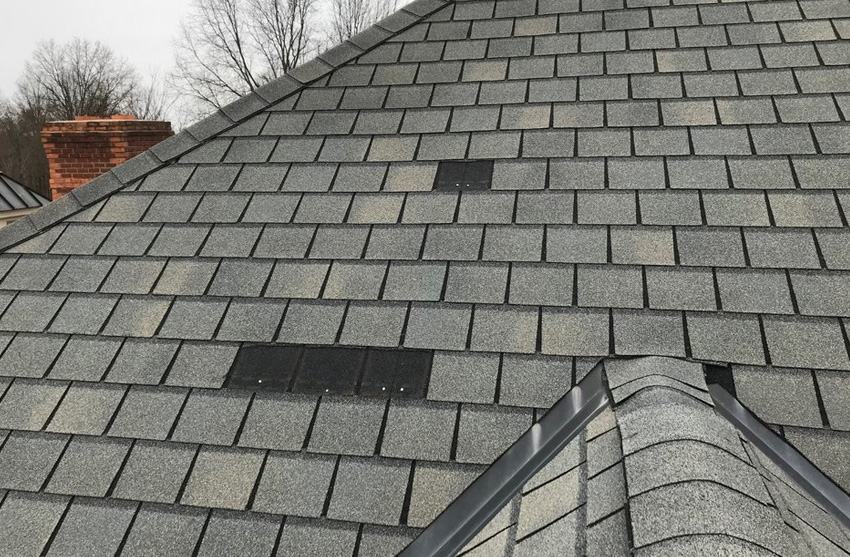
Identifying bruised shingles, granule loss, and fractured fiberglass mats that lead to leaks months later — the damage behind our hail repair work.
Wind Damage Detection
Locating lifted shingles, broken seals, creased tabs, and exposed nail heads before water intrusion begins.
Insurance Claim Support
Itemized reports written in adjuster-friendly language, including Xactimate-compatible measurements and scope documentation.
We treat your home like evidence — because in an insurance claim, it is.
Why Choose Us
We Inspect Roofs. We Don't Sell Fear.
Our team holds HAAG Certified Inspector credentials, which means we've trained specifically to distinguish storm damage from normal wear, manufacturing defects, and foot traffic scuffing. We've assessed roofs after hailstorms, derechos, and tornadic winds across the Front Range.
Insurance adjusters respect our reports. We measure hail spatter patterns, count impact points per test square, and photograph every finding with date stamps and location markers. That detail speeds up claims and reduces disputes — and when adjusters push back, we meet them on your roof and walk through the evidence together.
We're GAF Certified Plus and Owens Corning Preferred, local, licensed, and insured — and our written guarantee is simple: reports reflect actual conditions, never inflated findings. Free assessments after documented storm events, with zero obligation to hire us for repairs.
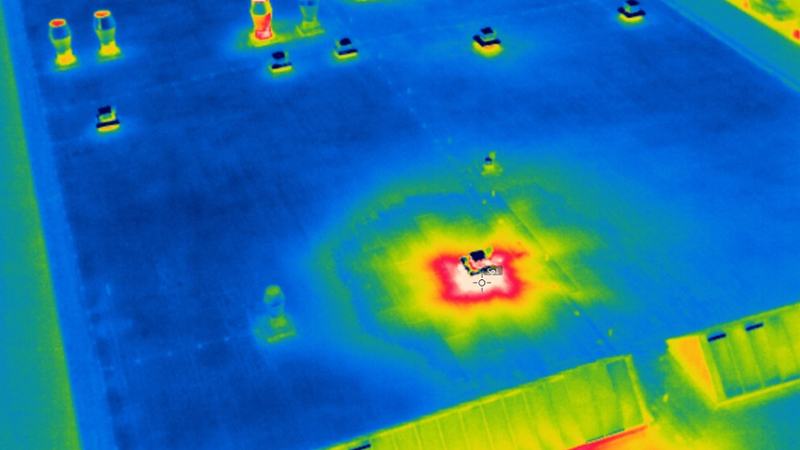
Drones capture steep or unsafe sections — we never send an inspector onto wet, icy, or structurally compromised decking.
When to Book
Signs You Need a Storm Damage Assessment
Assessment becomes necessary the moment severe weather passes through — even when your roof looks fine from the ground. Damage hides.
Hail Larger Than One Inch Fell
Hailstones at this size bruise asphalt shingles, crack the fiberglass mat beneath the granule surface, and dent soft metals like aluminum gutters and vent caps. Bruising doesn't leak immediately. It fails six to eighteen months later.
Granules in Gutters and Downspouts
Accelerated granule loss exposes the asphalt layer to UV degradation. Check your downspout splash blocks after a storm. Piles of black or gray granules signal impact damage across the roof field.
Wind Gusts Exceeded 50 MPH
Straight-line winds lift shingle tabs and break the adhesive seal strip. A lifted shingle may lie flat again, but the broken seal lets wind-driven rain penetrate the underlayment. Creased tabs along ridgelines and rakes confirm wind damage.
Neighbors Have Roofing Crews
Storms don't skip houses. When adjusters approve claims on your street, your roof likely sustained similar impacts. An assessment documents your damage before the insurance filing deadline passes, typically one year from the storm date.
Interior Warning Signs
Water stains on ceilings, damp attic insulation, daylight through roof decking, or musty odors in upper rooms all point to breached roofing components — often storm-damaged flashing, cracked pipe boots, or punctured decking.
60–90 minutes on site. Report in 48 hours. Book free.
How We Work
Our Storm Damage Assessment Process
01
Schedule and Property Review
We confirm the storm date, pull local weather data including hail size and wind speeds, and review your roof's age and material type before we arrive.
02
Ground-Level Exterior Inspection
Our inspector examines siding, window screens, gutters, downspouts, and AC condenser fins for collateral damage. Collateral evidence corroborates roof findings during adjuster meetings.
03
Full Roof Inspection
We walk every slope, chalk-mark impact points, and test 10-by-10 squares per insurance industry standards. We check flashing, valleys, ridge caps, vents, and penetrations. Drones capture steep or unsafe sections.
04
Attic and Interior Check
We inspect decking from below for daylight penetration, water staining, and wet insulation.
05
Documented Report Delivery
You receive a written assessment with labeled photos, measurements, damage classifications, and repair or replacement recommendations within 48 hours.
06
Claim Support
If damage justifies a claim, we help you file, meet the adjuster on site, and review the insurance scope for missed items.
You pay nothing for the assessment after a qualifying storm event.
Brands We Use
Storm-Proven Materials We Specify
GAF
Timberline HDZ shingles with LayerLock technology
Owens Corning
Duration series with SureNail strip
CertainTeed
Landmark impact-resistant shingles
Malarkey
Vista and Legacy Class 4 rubberized shingles
Atlas
StormMaster shingles with Scotchgard protection
IKO
Dynasty performance shingles
TAMKO
Titan XT wind-rated shingles
DECRA
Stone-coated steel roofing panels
Grace
Ice and Water Shield underlayment
DaVinci
Composite slate and shake for hail-prone regions
Safety governs every assessment: OSHA-compliant fall protection, anchored harnesses on steep slopes, foam-padded ladder stabilizers, walk pads on fragile tile, and drones wherever walking creates risk.
FAQs
FAQs About Storm Damage Assessment
›What is a storm damage assessment?
A storm damage assessment is a professional roof inspection performed after severe weather to identify, document, and classify damage from hail, wind, or debris. The resulting report supports insurance claims and repair planning.
›When should I schedule an assessment?
Schedule within one to two weeks after the storm. Fast documentation preserves evidence before weather degrades it and keeps you well inside your insurance filing deadline.
›Why can't I just look at my roof myself?
Hail bruising and broken seal strips rarely show from the ground. Trained inspectors recognize fractured mats, spatter marks, and creased tabs that homeowners and even general contractors overlook.
›How much does an assessment cost?
ARCM Roofing provides free storm damage assessments after documented weather events. You receive the full report at no charge and no obligation.
›Can an assessment help my insurance claim?
Yes. Our itemized reports include photos, measurements, and damage classifications formatted for adjusters. We also attend your adjuster meeting to point out every finding in person.
›Does storm damage always mean full replacement?
No. Isolated damage often qualifies for repair. Widespread impact damage across multiple slopes typically justifies replacement. Our report states which option the evidence supports.
›How long does the inspection take?
Most residential assessments take 60 to 90 minutes on site. Your written report arrives within 48 hours.
Related Services
Storm Passed? Get the Facts on Your Roof.
Free after qualifying storms · Test-square documentation · Report in 48 hours